

Short Introduction to Sanya Local Culture: History, Nation, Diet, Clothing, etc.
Sanya City, abbreviated as Ya and also known as Lucheng (Deer City), was historically called Yazhou or Ya County. Located at the southernmost tip of Hainan Island, it is a prefecture level city under Hainan Province and the island’s second largest city. As of the end of 2024, Sanya had a registered population of 785,001.
Serving as the economic and transportation hub of southern Hainan and the core area of the International Tourism and Consumption Center, Sanya is often called the “Hawaii of the East.” The city boasts outstanding tourism resources, including Yalong Bay, Tianya Haijiao, Nanshan Cultural Tourism Zone, and Wuzhizhou Island, along with renowned 5A scenic sites such as Nanshan Temple and Daxiao Dongtian. Enriched by the vibrant cultures of the Li and Miao ethnic groups, Sanya has evolved into an important gateway for China’s southeastern coast and a world class coastal resort destination.
Brief History
Sanya takes its name from the Sanya River, which flows through the city. Despite being located at the southernmost tip of China, Sanya has a long and continuous history of connection with the Central Plains. Since the Sui and Tang dynasties, over the past 1,400 years, the region has maintained uninterrupted political, economic, and cultural ties with the heartland of China.
As early as the Qin Dynasty, the imperial court established three southern commanderies, one of which was Xiang Commandery, with Yazhou as part of its territory. In 110 BCE, during the first year of the Yuanfeng era of the Western Han Dynasty, the area that is now Sanya was formally incorporated into China’s administrative system.
In 610, during the Sui Dynasty, the court established Linzhen Commandery based on Linzhen County, covering the southwestern part of Hainan Island. In 622, the Tang Dynasty renamed Linzhen Commandery as Zhenzhou. During the Song Dynasty, the region underwent several administrative changes: it became Yazhou in 972, Zhuyajun in 1073, and later Jiyangjun in 1117.
From the Ming and Qing dynasties through modern times, the area continued under the administration of Yazhou, gradually forming a multicultural society inhabited by Han, Li, and Hui ethnic groups. In 1984, Sanya was designated as a county-level city, and in 1987 it was upgraded to a prefecture-level city.
Today, Sanya administers four urban districts: Haitang District, Jiyang District, Tianya District, and Yazhou District, reflecting its role as a key coastal city with deep historical roots and a vibrant cultural heritage.
Ethnic Culture
Sanya is a multiethnic city where four ethnic groups have lived for generations: the Li, Han, Hui, and Miao peoples. Among them, the Li population numbers about 245,149, accounting for 32.4% of the total population, while the Miao population stands at around 4,427, or 0.6%. Together, these communities form Sanya’s rich and diverse cultural landscape, with Li and Miao cultures standing out as especially distinctive and playing a vital role in shaping the city’s cultural identity.
Ethnic
Li people:
The Li people are the earliest indigenous inhabitants of Hainan Island and are often regarded as a “living fossil” of the island’s ethnic culture. Known for their love of singing and dancing, Li folk dances are deeply rooted in daily life and are generally divided into three main types: labor dances, life-related dances, and ritual dances. These performances are rich in ethnic characteristics and vividly reflect the rhythms, emotions, and traditions of everyday Li life.
The Li people’s belief system is primarily centered on animism and includes forms of totem worship, nature worship, and ancestor worship. These spiritual traditions express a deep respect for nature and a strong sense of connection between people, their ancestors, and the natural world, forming an essential part of Li cultural identity.
Local Dialect:The Li language belongs to the Li branch of the Zhuang-Dong group within the Sino-Tibetan language family. Today, most Li people are bilingual and can also speak Mandarin Chinese.
Ethnic Clothing:Li brocade is a traditional textile art that includes techniques such as supplementary weft weaving, embroidery, tie-dyeing (known in ancient times as jiaoxie), and batik. These intricate textiles are commonly used in Li women’s tube skirts, blouses, headwear, decorative sashes, chest ornaments, aprons, shoulder bags, ceremonial quilts known as “dragon quilts,” and wall hangings. Rich in symbolism and craftsmanship, Li brocade reflects both the aesthetic sensibilities and cultural heritage of the Li people.
Women often wear straight-collared or collarless jackets with front openings, paired with tube skirts adorned with unique ethnic patterns. They complement their outfits with embroidered headscarves and silver ornaments. Men typically wear collarless, front-opening jackets without buttons, along with loincloth-style lower garments (dubikun), and head wrappings in red or black cloth shaped into horn-like or coiled forms.
The Li diet is primarily based on rice. A distinctive culinary practice involves making yucha (fish tea) and roucha (meat tea)—local delicacies prepared by fermenting raw fish or meat with roasted rice flour in pottery jars. Betel nut chewing is also a common tradition among the Li people.
Architecture: Traditional houses are boat-shaped structures built from bamboo and thatch, with floors made of rattan or bamboo. There is also a unique type of dwelling called the longgui,a small house built by Li youth upon reaching adulthood. It serves both as their private living space and as a place for courtship, where young people sing antiphonal folk songs and develop romantic relationships.
Miao People
The ancestors of the Miao people migrated from Guangxi during the Ming Dynasty, settling in mountainous villages. Women's attire is renowned for its batik and embroidery, often featuring intricate headwear decorated with patterns inspired by nature. Crafts such as brocade weaving, batik, and embroidery reflect the strong ethnic aesthetics and lifestyle customs of the Miao people.
Hui Ethnic (Huihui People)
Hui Ethnic (Huihui People), often referred to as the Huihui, they are the only Muslim ethnic group in China originating from Southeast Asia. Primarily concentrated in Sanya, Hainan, they have integrated into local society while preserving their distinct culture, demonstrating remarkable resilience and wisdom.
Traditional Festival and Special Custom
Sanya celebrates a rich calendar of festivals throughout the year, including Spring Festival (Chinese New Year), the Third Day of the Third Lunar Month (Sanyuesan), Qingming Festival, Dragon Water Festival, and Mid-Autumn Festival. In addition, there are distinctive local folk festivals such as the Huashan Festival and Junpo Festival. Among these, Spring Festival and Sanyuesan are the most important celebrations for the Li and Miao ethnic groups.
Sanyuesan Festival (the 3rd day of the 3rd lunar month): Known in the Li language as “Funianfu” (phonetic transliteration), Sanyuesan is the grandest traditional festival of the Li and Miao peoples in Hainan. It honors hardworking and brave ancestors and expresses hopes for love, happiness, and a prosperous life. Festivities typically include singing, dancing, matchmaking activities, and traditional sports.
Huashan Festival (Miao People):Celebrated from the 2nd to the 9th day of the first lunar month, the Huashan Festival is the most beloved festival of the Hainan Miao people. It is a grand and lively event, full of color, fun, and traditional Miao customs.
Junpo Festival (also called “Gongqi”): Celebrated from the first lunar month through mid–third lunar month, the Junpo Festival is a unique Hainan folk tradition with a history of over 1,300 years. It commemorates Lady Xian, a revered historical figure. Communities hold temple fairs, rituals, and parades to pray for peace, protection, and good fortune.
Dragon Water Festival (Dragon Boat Festival Customs): The Dragon Water Festival is Sanya’s most distinctive local variation of the Dragon Boat Festival. On this day, families set up incense tables at ancestral homes to honor their ancestors. A special ritual known as “washing in dragon water” involves bathing in natural waters, which locals believe brings the blessing of the dragon deity and ensures health and good fortune for the year ahead.
Diet Style and Culinary Tastes
Sanya, a city located on the southern tip of Hainan Island, is known for its tropical climate, beautiful beaches, and diverse cuisine. The city is a melting pot of different cultures, and as a result, the food scene in Sanya is quite varied.
Seafood is a specialty in Sanya, and visitors can enjoy a wide range of fresh and delicious seafood dishes. Some of the must-try seafood dishes include steamed abalone, spicy crab, grilled squid, and grilled fish. Other popular dishes in Sanya include Hainanese chicken rice, stir-fried noodles, dumplings, and hot pot.
In addition to traditional Chinese cuisine, Sanya also has a growing international food scene, with many restaurants serving Western, Japanese, Korean, and Southeast Asian cuisine. Visitors can also enjoy local fruits such as mangoes, coconuts, and papayas, which are widely available in the city.
Cultural Heritage
National Intangible Cultural Heritage List: Li Ethnic Group’s Chopping-Firewood Dance (Dachai Dance), Yazhou Folk Songs, Danjia Fisherfolk Songs
Hainan Provincial Intangible Cultural Heritage List: Traditional Li Textile, Dyeing, Weaving, and Embroidery Techniques; Primitive Li Pottery-Making Techniques; Miao Ethnic Group’s Panhuang Dance; Traditional Hui Wedding Customs; Li Folk Tales; The Legend of the Conch Maiden.
Customize Your Unique Sanya Tour

If you are interested in the Sanya itineraries mentioned above, please contact us, and we will be happy to customize it and provide a quote tailored to your preferences.
Alternatively, if you would like to customize your Sanya Tour, please visit our Sanya Tour Customized Center. We assure you that you will receive a reply within 24 working hours.
Informative Articles for Your Sanya Trip
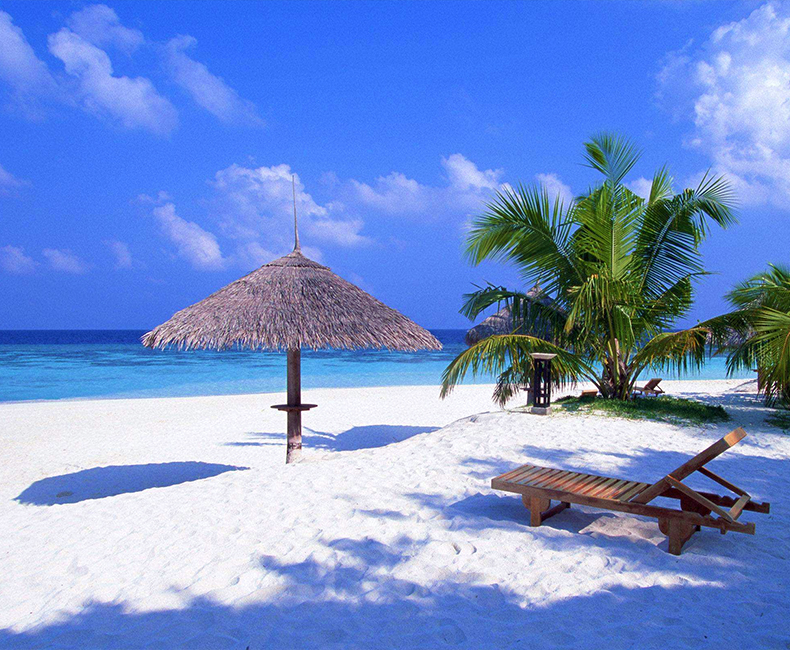 Sanya
Sanya- Travel Guide: attractions, weather, hotels, food, etc.
- Weather: best time and seasons to visit Sanya
- Top attractions: well-selected top attractions in Sanya
- Travel itineraries: itineraries for your reference
- Local culture: brief history, folk culture, festivals, etc.
- Top destinations: best places to visit in Sanya
- Abundant activities: Sanya cultural immersions
- Unique perspective: top interesting things to do
- Local food: what to eat while traveling in Sanya
- Luxury hotels: accommodation to stay in Sanya
- Sanya Tours: customized tours for your reference

GREAT FAMILY CHINA TOUR
JULY 2024 We wanted to thank Grace at China Culture tour for organizing a great tour of China. We enjoyed our Beijing - Xian-Chengdu -Guilin -Yangshuo - Shanghai trip. Our local guides Bruce in Beijing, Susan in Xian, Jane in Chengdu, Mike in Guilin and Mary in Shanghai took care of us…read more details »
Teng Han L from SINGAPORE
Ready to Create a Unique Dream Travel?