

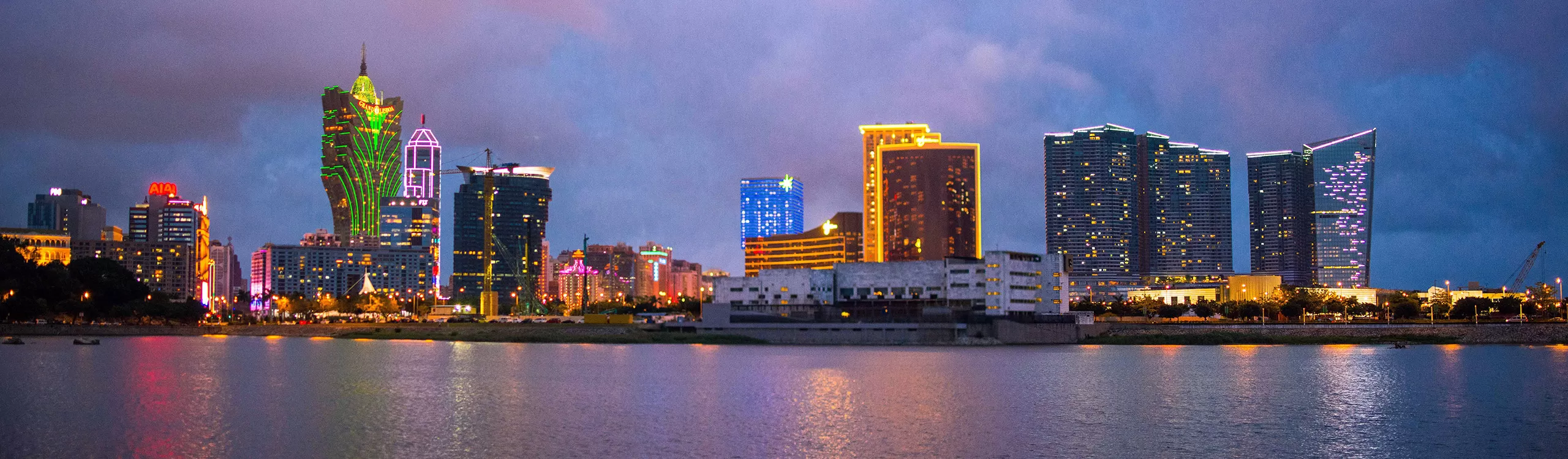
Macau Travel Guide
At 38 nautical miles (70 kilometers) apart from Hong Kong and 145 kilometers from Guangzhou , Macau was formerly under the jurisdiction of Xiangshan County, Guangdong Province . It later experienced the Portuguese violent occupation, but eventually returned to the motherland on December 20th, 1999 as a Special Administrative Region after 400 years of foreign occupation.
In Macau, you can admire traditional Chinese temples, Portuguese buildings with red - tiled roofs and yellow walls, solemn Catholic churches, magnificent dreamy hotels, and world - famous casinos. You can also savor delicious Portuguese egg tarts. In addition to its cultural heritage, Macau offers scenic coastal areas and relaxing spots like Coloane Island and Hac Sa Beach, adding to its diverse appeal.
Its blend of East and West, old and new, urban and coastal landscapes is truly remarkable. Macau has been attracting investors and tourists from around the globe. Such a fascinating city is not to be missed. For everything you need to know, you can refer to our travel guide. Let’s explore something different together!
Culture of Macau
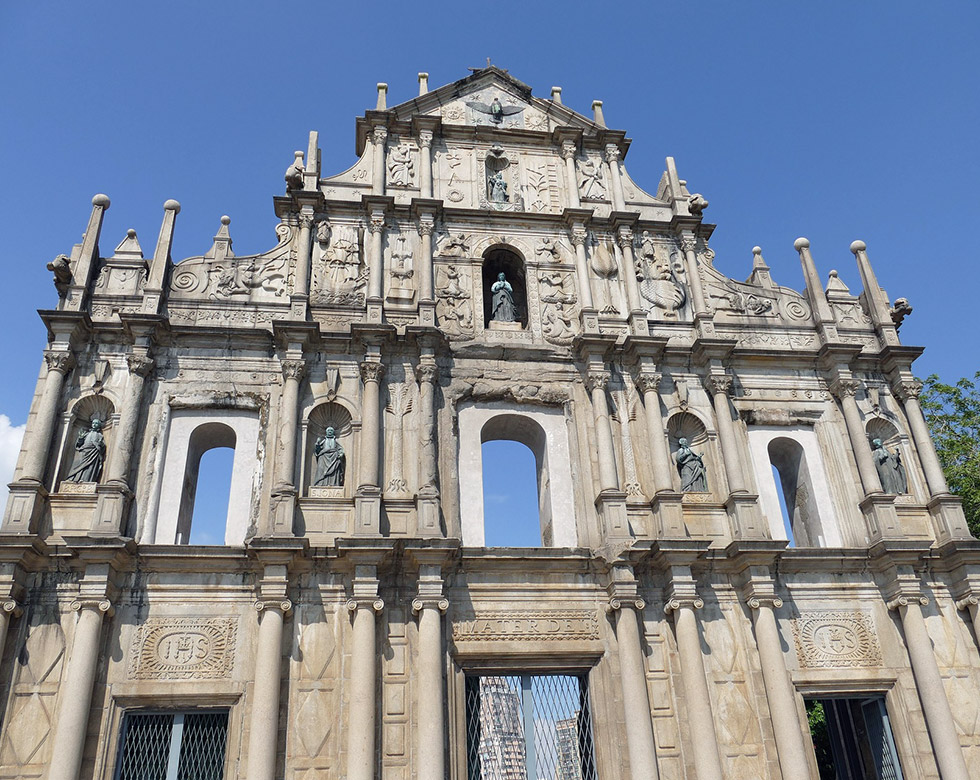 Ruins of St. Paul's
Macau was originally a small fishing harbor, known in ancient times by names such as Haojing Ao, Xiangshan Ao, and A-Ma Gao. The name “Macau” is believed to have originated during the Ming Dynasty from the area around the A-Ma Temple. When Portuguese sailors first arrived and asked the locals for the name of the place, they were told “A-Ma,” which was later rendered as “Macau.”
In the mid-16th century, Portuguese merchants established several trading posts in the Pearl River Delta region, which gradually shifted and consolidated in Macau as their main base. Macau became an important stronghold of Portuguese presence and culture in Asia. Even during the 60 years in the 16th and 17th centuries when Portugal was under Spanish rule, Macau continued to fly the Portuguese flag.
In 1987, China and Portugal signed the Sino-Portuguese Joint Declaration on the future of Macau, under which Portugal agreed to return Macau to China. On December 20, 1999, Macau was officially handed back to China and established as a Special Administrative Region.
As of 2024, Macau has a total land area of approximately 33.3 square kilometers and a maritime area of about 85 square kilometers. It is one of the most densely populated regions in the world, with a population of around 686,600. The majority of residents are ethnic Chinese, accounting for about 95 percent of the population, alongside Portuguese, Filipino, and Vietnamese communities.
Today, no place in Macau is noisier than the area around the city hall. The operation of Macau International Airport injects new vitality into the local tourism industry, making Macau a famed cosmopolitan tourist city.
Must-visit Attractions, what to visit
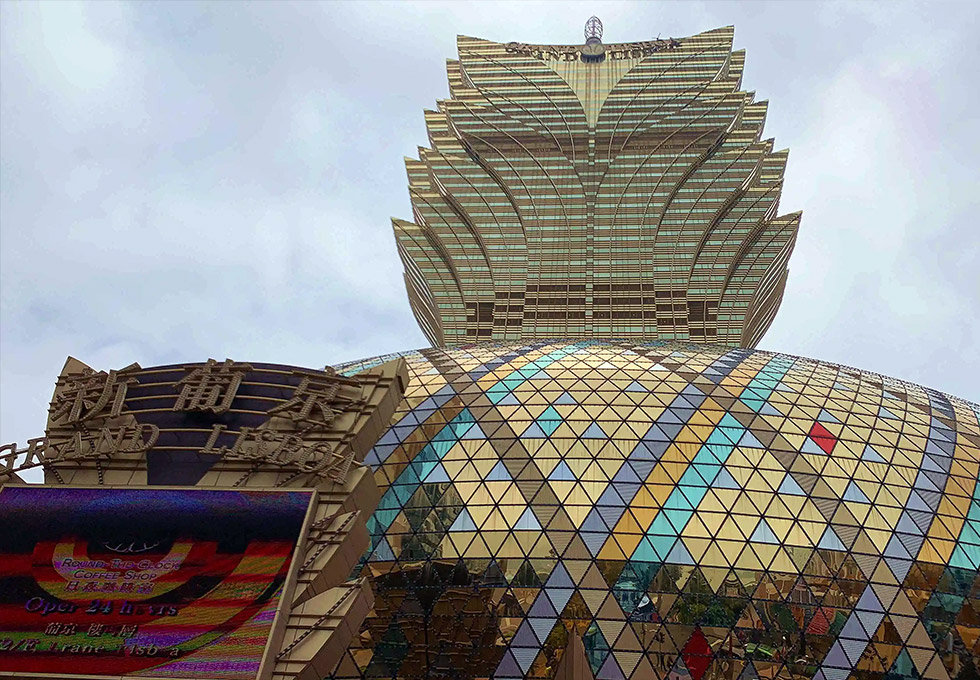 Grand Lisboa
Macau, often referred to as the “Monte Carlo of the East,” is a captivating city where Eastern and Western cultures blend seamlessly. As a UNESCO-listed Historic Centre, it features more than 20 interconnected historic buildings and squares that reflect centuries of cultural exchange between China and Portugal. Iconic landmarks such as A-Ma Temple, St. Dominic’s Church, Ruins of St. Paul's, and Senado Square showcase its rich heritage, while modern attractions like Macau Fisherman’s Wharf, Grand Lisboa, and the soaring Macau Tower highlight its contemporary charm. Together, they create a city that is uniquely historic, vibrant, and unforgettable.
Local Food and Snacks
The cuisine of Macau is shaped by more than 400 years of maritime trade and cultural exchange, making it a rare example of a Eurasian-African culinary fusion. At its core is Macanese cuisine, which blends Portuguese and Cantonese traditions with spices and cooking techniques from Africa, Southeast Asia, and India, forming a unique and diverse gastronomic system.
Portuguese Chicken: a fusion of Portuguese-style baking, Chinese chicken preparation, Southeast Asian curry, and coconut milk, a dish not found in Portugal itself.
Pork Chop Bun: a combination of Cantonese-style pork chop and a Portuguese-style crusty bun, representing Macau’s everyday street food culture.
Crab Congee: a traditional Cantonese-style seafood porridge, commonly enjoyed as a comforting local dish.
Weather, when is best time and season to visit
 Macau Fisherman’s Wharf
When is the best time or season to visit Macau?
Macau enjoys a mild climate throughout the year. It has a subtropical monsoon climate, with an average annual temperature of around 20°C and relatively small seasonal variations.
The best time to visit Macau is during autumn (October to December), followed by spring (March to May). During these periods, the weather is pleasantly mild, with lower humidity, making it ideal for sightseeing and outdoor activities. From October to December in particular, the comfortable climate and clear skies are perfect for city walks, allowing you to fully enjoy the city’s vibrant atmosphere. Whether you are exploring the Historic Centre of Macau, strolling through Taipa Village, or relaxing along the coast of Coloane Island, the pleasant weather enhances the overall experience.
Winter (January to March) is not very cold and still offers plenty of sunshine, while summer (May to September) can be hot and humid and coincides with the typhoon season. In general, as long as you avoid the peak typhoon months, Macau is a suitable destination for travel almost all year round.
Top destinations, where to visit
If you want to experience Portuguese charm and traditional Mazu culture in China, which city would you choose? Macau is undoubtedly the best destination. The city features a unique blend of Chinese and Portuguese architecture, a rich historical heritage, and deep rooted Mazu culture.
It is essential to explore its three main areas when visiting Macau: Macau Peninsula, Taipa, and Coloane. The Macau Peninsula preserves over four centuries of rich Chinese and Portuguese history. Taipa showcases luxurious resort style attractions and vibrant entertainment. Coloane retains its natural beauty and tranquil charm. Each area has its own distinctive character and fascinating sights to explore.
Best Things to do in Macau
As one of the cradles of Chinese civilization, Macau is rich in history and culture while also offering breathtaking natural landscapes. In today's fast-paced and stressful world, an increasing number of people long to immerse themselves in nature, looking to unwind and rediscover their true selves through outdoor activities. Visitors choose to stroll through Macau Ancient Town, where the days and nights offer distinct experiences. Explore Shaxi Ancient Town, a key point on the Ancient Tea Horse Road, and visit the local market. Cycle around the beautiful Erhai Lake and enjoy the amazing views of Cangshan Mountain. Take a Small Train Through the Rice Fields in Xizhou Town. Experience the Tie-dyeing in the Zhoucheng Village, etc.
Interesting hands-on activities
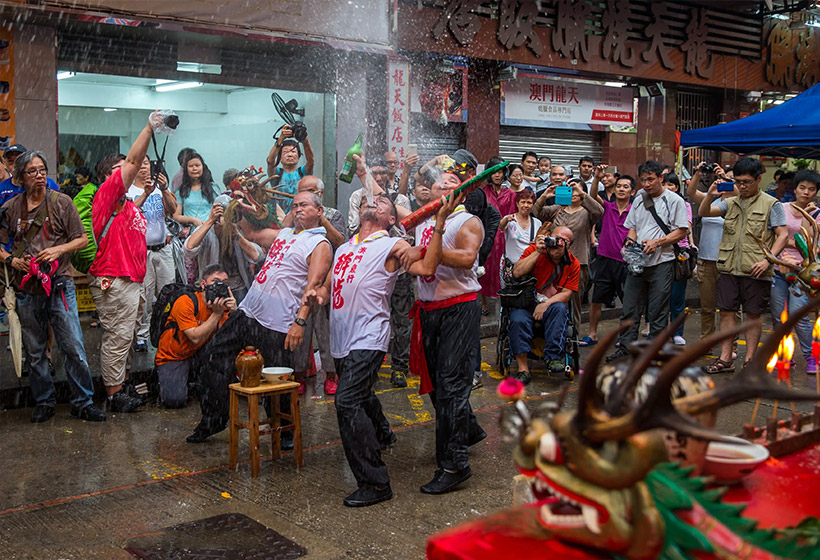 Drunken Dragon Festival
Macau offers a range of hands-on activities, from incense-making and hand-painted Portuguese tile workshops to Portuguese egg tart baking, rickshaw rides, and exploring the city’s historic landmarks.
These hands-on activities will help you experience the unique culture and lifestyle of Macau while having fun and creating unforgettable memories.
A-Ma Festival (23rd day of the third lunar month):It originates from the deep devotion of local fishermen to A-Ma, also known as the Goddess of the Sea, who is believed to protect fishermen and seafarers. The main celebrations take place at A-Ma Temple. The belief in A-Ma has been listed as a national intangible cultural heritage of China.
Drunken Dragon Festival (8th day of the fourth lunar month):A highlight of the festival is the lively drunken dragon dance, where performers, slightly intoxicated, dance with wooden dragon heads, bodies, and tails to bring out the spirit and vitality of the dragon. The ritual is meant to pray for good weather, prosperity, and peace.
The Macanese community also celebrates distinctive festivals that reflect its unique cultural identity.
Luxury Hotel in Macau
Macau is a special administrative region of China known for its vibrant casino industry, historical sites, and luxurious hotels. The city has many luxury hotels that offer world-class amenities and services to cater to the needs of affluent travelers.Here are some examples of luxury hotels in Macau:
The Venetian Macao: The Venetian Macao is one of the largest hotel resorts in the world, offering more than 3,000 suites and a 15,000-square-meter casino. The hotel is designed to look like Venice, with canals, gondolas, and Italian-inspired architecture. It also features a large shopping mall, multiple restaurants, and a variety of entertainment options.
The Four Seasons Hotel Macao: The Four Seasons Hotel Macao is a sophisticated hotel that offers guests panoramic views of the Cotai Strip. The hotel has a spa, a fitness center, and a rooftop swimming pool. It also features a variety of dining options, including a Michelin-starred Cantonese restaurant.
Grand Lisboa Macau: The design of Grand Lisboa Macau is unique and spectacular, making it a piece of dazzling artwork that will simply add extraordinary grandeur to your trip.
Overall, Macau's luxury hotels offer a wide range of amenities and services designed to cater to the needs of affluent travelers. With their opulent decor, world-class dining options, and top-of-the-line facilities, these hotels are a popular choice for visitors to the city.
How to Plan an Itinerary in Macau
Visiting the top classic attractions in Macau takes about 3 full days. Adding arrival and departure time, you'll need approximately 3-4 days.
Here some suggestion for 4 days sightseeing in Macau
- Day1: Arrival, visit The Venetian Macao, explore the indoor canals, bridges, and painted sky ceiling.
- Day2: Stroll along Rua do Cunha, a lively street famous for its local snacks and souvenirs. Taipa Houses–Museum (Lung Lok Pun Wun), ride the exciting Golden Reel Figure-8 Ferris Wheel. In the evening, at Wynn Palace, where you can take the cable car for free and watch the spectacular musical fountain show in the evening.
- Day3: Visit the Giant Panda Pavilion at Seac Pai Van Park. Watching the pandas eat and play. Head to Hac Sa Black Sand Beach, a most unique natural spot.
- Day4: visit the Ruins of St. Paul’s, Macau’s most famous landmark. Then walk up to Monte Fort, enjoy panoramic views of the city. Visit Macau Museum.
- All the itinerary are flexible. Just contact us, please. We would be honored to customize a perfect, personalized itinerary specifically for you.
Customize Your Authentic Macau Tour

If you are interested in the Macau itineraries mentioned above, please contact us, and we will be happy to customize it and provide a quote tailored to your preferences.
Alternatively, if you would like to customize your Macau Tour, please visit our Macau Tour Customized Center. We assure you that you will receive a reply within 24 working hours.
Informative Articles for Your Macua Trip
Macau Fisherman's Wharf- Travel Guide: attractions, weather, hotels, food, etc.
- Weather: best time and seasons to visit Macau
- Top attractions: well-selected top attractions in Macau
- Local culture: brief history, folk culture, festivals, etc.
- Top destinations: best places to visit in Macau
- Travel itineraries: itineraries for your reference
- Abundant activities: Macau cultural immersions
- Unique perspective: top interesting things to do
- Local food: what to eat while traveling in Macau
- Luxury hotels: accommodation to stay in Macau
- Macau Tours: customized tours for your reference

GREAT FAMILY CHINA TOUR
JULY 2024 We wanted to thank Grace at China Culture tour for organizing a great tour of China. We enjoyed our Beijing - Xian-Chengdu -Guilin -Yangshuo - Shanghai trip. Our local guides Bruce in Beijing, Susan in Xian, Jane in Chengdu, Mike in Guilin and Mary in Shanghai took care of us…read more details »
Teng Han L from SINGAPORE
Ready to Create a Unique Dream Travel?