

Short Introduction to Ningxia Local Culture: History, Nation, Diet, Clothing, etc.
Ningxia Hui Autonomous Region, abbreviated as “Ning,” stretches from south to north with terrain that gradually descends from the mountainous south to the plains in the north. The northern part is home to the fertile Ningxia Plain, nourished by the Yellow River and often praised as the “Jiangnan Beyond the Great Wall” for its rich farmland and waterways. The central region is a dry belt characterized by strong winds and desert landscapes, while the south features rolling hills and rugged mountain terrain. Flowing through the region, the Yellow River brings valuable water resources that have long made Ningxia an important agricultural area known for fish and rice production.
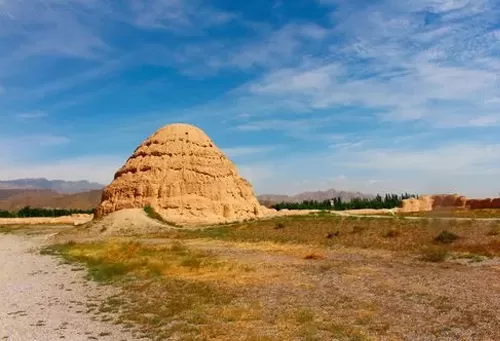
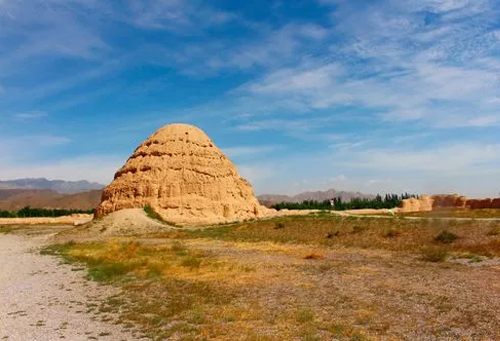
Ningxia is rich in history and multicultural heritage. The prehistoric Shuidonggou Site and the mysterious Western Xia Imperial Tombs reflect the region’s long history, while ancient Silk Road relics can still be found across the area. Ningxia is also deeply influenced by Hui Islamic culture, which is reflected in its architecture, customs, and distinctive cuisine. The morning tea culture of Wuzhong is especially famous and is often compared with the morning tea traditions of Guangdong and Yangzhou. Local specialties such as Babao Tea, goji berries, and Ningxia wines are all essential parts of the region’s unique cultural charm.
Brief History
Human activity in Ningxia can be traced back more than 30,000 years. Stone tools, bone tools, and evidence of fire discovered at the Shuidonggou Site Paleolithic site in Lingwu indicate that early humans once lived in this region during prehistoric times.
During the Shang and Zhou dynasties, the area was inhabited by nomadic tribes known as the Hu, Qiang, and Xianyun peoples. In the Spring and Autumn and Warring States periods, southern Guyuan belonged to the State of Qin. After Qin unified China, Ningxia became part of Beidi Commandery under the centralized imperial system. During the Western Han Dynasty, the region was divided between Beidi and Anding commanderies.
In 574 during the Northern Zhou Dynasty, Huaiyuan County and Huaiyuan Prefecture were established in the area of present-day Yinchuan, marking an early stage in the city’s development. During the Sui and Tang dynasties, Ningxia became an important route for trade and transportation connecting eastern and western China along the ancient Silk Road.
In 1038, Tangut leader Li Yuanhao established the Western Xia Dynasty with Ningxia as its political center, setting the capital at Xingqing Prefecture, present day Yinchuan. The kingdom flourished for nearly two centuries until it was conquered by the Mongols under Genghis Khan in 1227. In 1288 during the Yuan Dynasty, the name “Ningxia” officially began to be used.
During the Ming Dynasty, Ningxia became an important frontier military region with the construction of fortresses and sections of the Great Wall. Under the Qing Dynasty, Ningxia was administered under Shaanxi Province. After the founding of the People’s Republic of China in 1949, the name Ningxia Province continued to be used, and in 1958 the Ningxia Hui Autonomous Region was officially established.
Ethnic Culture
In 2024, Ningxia Hui Autonomous Region had a total population of approximately 7.29 million, including about 4.97 million urban residents. Ningxia is a multi-ethnic region home to 48 ethnic groups, including the Han, Hui, Manchu, and Mongolian peoples.
Among them, the Hui population numbers around 1.99 million, accounting for more than one third of the region’s total population and about one fifth of China’s total Hui population. With the Hui people as its principal ethnic group, Ningxia is the largest Hui Muslim community in China and an important center of Hui culture and traditions.Hui Ethnic
The Hui people mainly originated from various groups from Central and West Asia who migrated to China during the Yuan Dynasty. By the Ming Dynasty, the Hui ethnic group had gradually taken shape through the integration of Han, Mongolian, Uyghur, and other ethnic influences, forming a new cultural community.
From the Ming to Qing dynasties, regions including Guanzhong in Shaanxi, Hezhou in Gansu, and areas stretching from Lingzhou in Ningxia to Pingliang and Guyuan became major Hui settlement centers. This gradually formed a population pattern often described as “widely dispersed yet living in concentrated communities.” By the Qing Dynasty, Ningxia had become the largest Hui Muslim settlement area in China.
Local Dialect
The dialects of Ningxia Hui Autonomous Region can generally be divided into two major regional groups based on geography. The dialects spoken in the northern plains belong to the Lanzhou Yinchuan branch of Mandarin, while those spoken in the southern mountainous areas belong to the Central Plains Mandarin group.
Faith and worship
In Ningxia Hui Autonomous Region, ethnic groups such as the Hui, Uyghur, Dongxiang, Kazakh, Salar, and Bonan peoples primarily practice Islam. Among the Han population, some residents follow religions including Buddhism, Christianity, Taoism, and Catholicism.
Traditional Hui Clothing
Traditional costumes of the Hui people in Ningxia Hui Autonomous Region reflect their folk customs and rich cultural heritage. Hui men usually wear skullcaps, also known as Hui caps or prayer caps, with white caps preferred in spring and summer and black caps in autumn and winter. Traditional attire often consists of a white shirt paired with a black waistcoat. As an important part of Hui men’s clothing, the waistcoat is known for its simple yet elegant design and decorative patterns.
Hui women commonly wear headscarves that cover the hair, ears, and neck, together with long robes or waistcoats. Embroidered cloth shoes are also popular among women in mountainous areas. The color and style of the headscarves often reflect age and marital status. Elderly women usually wear white or black headscarves, creating an elegant and dignified appearance, while unmarried women often choose green headscarves for a fresher and more youthful look.
Another distinctive feature of Hui traditional clothing is the long robe, known in Arabic as “Jubba,” which is especially favored by Hui religious scholars, imams, and elderly Hui men.
Traditional Festival and Special Custom
Liaogan Festival (the 23rd day of the first lunar month): features a unique ritual where locals light bundles of straw in their courtyards. They step or jump over the fire when the flames reach their peak. This ritual is believed to burn away illness, misfortune, and bad luck, allowing people to usher in the new year with prayers for health, good fortune, peace, and a bountiful harvest.
Eid al-Fitr (Kaimai Festival, Islamic calendar: 1st day of Shawwal): One of the most important festivals for the Hui people, Eid al-Fitr marks the end of Ramadan. The day begins with a solemn congregational prayer at mosques, followed by visits to family and friends. People exchange traditional foods such as yóuxiāng (fried pastries), wear ethnic attire, and share festive meals, expressing gratitude, joy, and blessings within the community.
Eid al-Adha (Gurban Festival, Islamic calendar: 10th day of Dhu al-Hijjah): Eid al-Adha commemorates devotion and sacrifice. Families perform ritual animal sacrifice, with the meat shared among relatives, neighbors, and those in need. The festival is marked by communal prayers, charitable acts, and social gatherings, as Hui people dress in traditional clothing and pay visits to one another, strengthening community bonds and cultural traditions.
Mawlid: Celebrated on the 12th day of the third month of the Islamic calendar, Mawlid commemorates both the birth and passing of the Prophet Muhammad, the founder of Islam. In Ningxia, the festival is commonly known as the “Shengjiao Gathering.” Activities usually include Quran recitations, praise songs for the Prophet, and storytelling about the life and history of Muhammad, reflecting the strong Islamic cultural traditions of the Hui community.
Spring Festival Shehuo Performances: Spring Festival Shehuo originated as a traditional folk ritual symbolizing farewell to the old year and welcoming the new one. The celebrations usually begin around the Little New Year festival before the Lunar New Year and feature lively folk performances such as stilt parades, yangko dances, and Qinqiang Opera. One of the most distinctive traditions is the “Gaotai Ma Shehuo,” in which children dressed as immortals or opera characters stand motionless on high platforms shaped like horses or mounted on decorated floats, often rising 4 to 5 meters above the ground. The Gaotai Ma Shehuo performances in Longde County are especially famous for their thrilling structures and elaborate craftsmanship.
Diet Style and Culinary Tastes
Ningxia cuisine is known for its unique blend of halal Muslim traditions and northern Chinese flavors, featuring a rich variety of lamb and beef dishes, hand pulled noodles, stuffed buns, and regional specialties. From the famous morning tea culture of Wuzhong, often compared to Guangzhou’s Cantonese morning tea tradition, to a hearty breakfast of Babao Tea and lamb offal soup, Ningxia’s food culture is deeply woven into everyday life.
Whether enjoying tender Shouzhua Lamb at dinner, tasting spicy Lahuhu skewers and flavorful local noodles on lively streets, or savoring steamed Yellow River carp at a traditional banquet, visitors can experience the authentic warmth and vibrant culinary charm unique to Ningxia.
Cultural Heritage
Ningxia Hui Autonomous Region is a treasure trove of cultural heritage shaped by its unique history at the crossroads of Chinese, Islamic, and Silk Road civilizations. The region is home to remarkable historical sites such as the Western Xia Imperial Tombs, Shuidonggou Site, the ancient Great Wall remains of Ningxia, the historic Yellow River irrigation system that reflects centuries of water management wisdom, and the centuries old folk songs known as “Hua’er,” which have long served as a cultural bridge among different ethnic groups in western China. Other important landmarks include the ancient carvings of Helan Mountain Rock Art Site Park and the historic Drum Tower in Yinchuan, alongside preserved temples, mosques, and traditional Hui architecture that showcase the region’s rich multicultural heritage.
Ningxia is also rich in intangible cultural heritage. National level heritage traditions include Ningxia Xiaoqu folk songs, Helan Inkstone Craftsmanship, Hui ethnic costumes, Ermaopi fur making techniques, Qinqiang Opera, and the spectacular Longde Gaotai Ma Shehuo performances. Traditional Hui paper cutting is another famous folk art of Ningxia, belonging to the northern style of Chinese paper cutting and reflecting the region’s vibrant artistic traditions.
Customize Your Unique Ningxia Tour

If you are interested in the Ningxia itineraries mentioned above, please contact us, and we will be happy to customize it and provide a quote tailored to your preferences.
Alternatively, if you would like to customize your Ningxia Tour, please visit our Ningxia Tour Customized Center. We assure you that you will receive a reply within 24 working hours.
Informative Articles for Your Ningxia Trip
 Yinchuan
- Travel Guide: attractions, weather, hotels, food, etc.
- Weather: best time and seasons to visit Ningxia
- Top attractions: well-selected top attractions in Ningxia
- Travel itineraries: itineraries for your reference
- Local culture: brief history, folk culture, festivals, etc.
- Top destinations: best places to visit in Ningxia
- Abundant activities: Ningxia cultural immersions
- Unique perspective: top interesting things to do
- Local food: what to eat while traveling in Ningxia
- Luxury hotels: accommodation to stay in Ningxia
- Ningxia Tours: customized tours for your reference

GREAT FAMILY CHINA TOUR
JULY 2024 We wanted to thank Grace at China Culture tour for organizing a great tour of China. We enjoyed our Beijing - Xian-Chengdu -Guilin -Yangshuo - Shanghai trip. Our local guides Bruce in Beijing, Susan in Xian, Jane in Chengdu, Mike in Guilin and Mary in Shanghai took care of us…read more details »
Teng Han L from SINGAPORE
Ready to Create a Unique Dream Travel?