

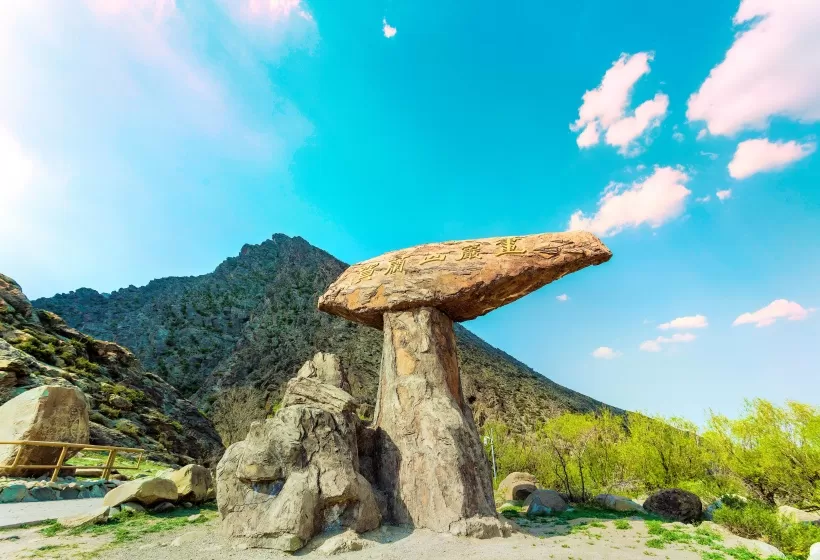
Ningxia weather, the best time and seasons to visit
Overview
Ningxia Hui Autonomous Region is located in northwestern China and has a typical temperate continental climate, characterized by four distinct seasons, dry weather, abundant sunshine, and large temperature differences between day and night. Summers are generally hot, while winters can be extremely cold. The southern Liupan Mountains area belongs to a semi humid region, while central and northern Ningxia feature a dry and refreshing climate with around 300 sunny days each year. The Helan Mountains serve as a natural barrier for the Yinchuan Plain, blocking sand from the Tengger Desert and cold northwestern winds, and also marking the boundary between China’s monsoon and non-monsoon regions.
The annual average temperature in Ningxia ranges from about 5.3°C to 9.9°C, varying significantly with elevation. Summer temperatures usually range between 32°C and 35°C and can occasionally exceed 39°C, while winter temperatures may drop well below freezing, sometimes reaching below -10°C. Annual precipitation ranges from 167.2 mm to 618.3 mm, generally decreasing from south to north. Most rainfall occurs between June and September, accounting for about 60% to 70% of the yearly precipitation.
The Best Time and Seasons to Visit Ningxia
Considering both climate comfort and scenic beauty, spring and autumn, especially from April to May and September to October, are the best times to visit Ningxia Hui Autonomous Region. Spring brings mild temperatures and blooming locust flowers, making it an ideal season for outdoor exploration. Visitors can admire the reed marshes of Shahu Lake, enjoy the green pine forests of the Helan Mountains, or cycle around Yuehai National Wetland Park.
Autumn is especially pleasant, with clear skies and comfortable weather. The Liupan Mountains and Nanhua Mountains are blanketed with vibrant red leaves, while the vineyards along the eastern foothills of the Helan Mountains enter harvest season. Visitors can enjoy grape picking, wine tasting, and beautiful autumn scenery throughout the region.
Ningxia travel guide based on the four different seasons
Ningxia is a beautiful region located in the northwest part of China, famous for its diverse landscapes, unique cultural heritage, and delicious cuisine. The region experiences distinct seasons, each offering different travel experiences. Here is a guide to Ningxia based on the four different seasons:
Spring (March-May)
Spring is an excellent time to visit Ningxia, as the weather is mild and pleasant, and the natural landscapes are in full bloom. The region's scenic spots, including the Helan Mountains, Shapotou Scenic Area, and Sand Lake Scenic Area, are all perfect destinations to visit during this season. You can take part in outdoor activities like hiking, camping, and cycling, or enjoy the beautiful scenery of the cherry blossoms at the Liupan Mountain National Forest Park.
Summer (June-August)
Summer in Ningxia can be quite hot, but it's also the best time to enjoy water activities. The Yellow River and the Hongshanhu Lake are great destinations for water sports enthusiasts to indulge in swimming, boating, and fishing. In addition, the Helan Mountain Wine Culture Tourism Area is another attraction worth visiting during the summer season, where you can taste a variety of local wines and learn about the winemaking process.
Autumn (September-November)
Autumn is considered the best season to visit Ningxia as the weather is cool and comfortable. The region's natural landscapes turn into a stunning sea of red, orange, and yellow leaves, creating a picturesque view. During this season, you can visit the Liupan Mountain National Forest Park, Mount Sumeru Grottoes, and the Qingtongxia Yellow River Canyon Scenic Area to experience the autumn colors. You can also attend the Ningxia International Wolfberry Festival, where you can taste delicious wolfberry dishes and learn about the local culture.
Winter (December-February)
Winter in Ningxia can be quite cold, but it's also a unique season to experience the region's culture and traditions. The Helan Mountain Rock Paintings, the Western Xia Imperial Tombs, and the Nanguan Grand Mosque are all cultural attractions worth visiting during the winter season. You can also enjoy hot springs at the Guyuan Hot Spring Resort or participate in winter sports like skiing and ice skating at the Yinchuan International Ski Resort.
Packing list for a Ningxia trip in different seasons
Spring (March - May):
- Light jacket or sweater for chilly evenings
- Long-sleeve shirts and pants for layering
- Comfortable walking shoes for exploring outdoor areas
- Sunscreen and sunglasses for protection against the sun
- Umbrella or rain jacket in case of spring showers
- Camera or smartphone for capturing the beautiful scenery
Summer (June - August):
- Lightweight, breathable clothing such as shorts, skirts, and t-shirts
- Sunscreen and sunglasses for protection against the strong sun
- Hat or visor for extra sun protection
- Comfortable walking shoes for exploring outdoor areas
- Swimsuit for swimming in the Yellow River or other bodies of water
- Insect repellent for protection against mosquitoes and other insects
Fall (September - November):
- Long-sleeve shirts and pants for layering
- Light jacket or sweater for chilly evenings
- Comfortable walking shoes for exploring outdoor areas
- Sunscreen and sunglasses for protection against the sun
- Camera or smartphone for capturing the beautiful autumn foliage
- Hat or beanie for extra warmth
- Scarf or gloves for colder days
Winter (December - February):
- Heavy coat or jacket for the cold weather
- Warm layers such as sweaters, long-sleeve shirts, and pants
- Hat, scarf, and gloves for extra warmth
- Warm, waterproof boots for walking on snowy or icy surfaces
- Lip balm and moisturizer for protection against dry skin
- Camera or smartphone for capturing the snowy landscape
Regardless of the season, it's important to bring a reusable water bottle to stay hydrated, and some cash for purchases at local markets and restaurants.
Ningxia Weather by Month/Year Round
If you can freely choose when to travel to Ningxia, it is recommended to select the most suitable month based on your interests and preferences. If you don't have the flexibility to choose, it is advisable to understand the advantages and disadvantages of traveling to Ningxia in each month. According to them, you can be better prepared in advance.
View your month: January, February, March, April, May, June, July, August, September, October, November, December
January: is January a Good Time to Visit?
In January, Ningxia experiences average temperatures ranging from -10°C to 2°C, with a monthly average precipitation of 2mm. The weather is often affected by cold waves, bringing cold and dry weather with abundant sunshine. It is also one of the driest months of the year, with little precipitation and relatively little snowfall. Strong winds are common, especially in central and northern Ningxia, where sandstorms or blowing dust may occasionally occur. The large temperature difference between day and night is another notable feature of winter in Ningxia.
In the plains areas such as Yinchuan, Shizuishan, and Wuzhong, temperatures usually range from about -8°C to 3°C. In colder southern and eastern areas such as Guyuan and Yanchi, extreme temperatures may occasionally fall below -20°C.
January is the low season for tourism in Ningxia, so there are fewer visitors, giving travelers more flexibility in accommodation and transportation at lower costs. The winter landscapes of the Western Xia Imperial Tombs and the snow covered Helan Mountains create a unique and tranquil atmosphere, while ski resorts in the Helan Mountains offer enjoyable winter activities. However, due to the cold weather, some outdoor attractions, tourism services, and desert activities may operate on limited schedules during this period. Therefore, careful trip planning is recommended to ensure a comfortable and enjoyable winter journey in Ningxia.
What to Wear/Bring in January
In January, Ningxia is extremely cold, so it's essential to wear warm clothing, such as woollen coats and down jackets, along with gloves and hats. When participating in snow activities, snow boots are recommended, and sunglasses can help prevent snow blindness and UV ray. The weather is dry, so bringing lip balm and moisturizer to prevent skin chapping is wise, as well as a thermos for hot water.
February: is February a Good Time to Visit?
In February, Ningxia experiences average temperatures ranging from -8°C to 4°C, with a monthly average precipitation of 1-6mm. The weather is mostly sunny or cloudy, although occasional cold air outbreaks may bring brief temperature drops. In February, Ningxia remains cold, with a solemn atmosphere blanketing its cities. However, the arrival of the Spring Festival brings color to the region, as the cultural customs and traditions shine brightly during this festive time.
February is generally part of the low tourism season in Ningxia Hui Autonomous Region, with fewer visitors and a quieter travel atmosphere outside major holidays. Travelers may enjoy greater flexibility in accommodation and transportation during this period. However, the weather remains cold, dry, and windy, and some outdoor attractions and tourism services may operate on limited schedules in winter. Therefore, careful planning and warm clothing are recommended for a comfortable trip.
What to Wear/Bring in February
In February, Ningxia is also cold, so it's essential to wear warm clothing, such as woollen coats and down jackets, along with gloves and hats. When participating in snow activities, snow boots are recommended, and sunglasses can help prevent snow blindness and UV ray. The weather is dry, so bringing lip balm and moisturizer to prevent skin chapping is wise, as well as a thermos for hot water.
March: is March a Good Time to Visit?
In March, Ningxia experiences average temperatures ranging from 0°C to 10°C, with a monthly average precipitation of 5mm. The weather is mostly sunny or cloudy, although occasional cold air outbreaks may bring brief temperature drops. In March, Ningxia begins to warm up as the land awakens to spring, when flowers bloom in vibrant colors as its arrival. Gentle spring rains fall like soft mist, and after a few showers, the mountain streams swell with water, and the green lakes come shimmering and rippling.
March is still considered part of the low tourism season in Ningxia Hui Autonomous Region, with fewer visitors and a quieter travel atmosphere. Travelers may enjoy greater flexibility in accommodation and transportation during this time. As spring gradually arrives, more tourism activities and services begin to resume, making March a pleasant time for sightseeing and outdoor exploration. Careful planning is still recommended for a more comfortable and enjoyable trip.
What to Wear/Bring in March
In March, temperatures in Ningxia can vary greatly between day and night. It is recommended to wear long sleeved T shirts or light fleece layers as innerwear, with a thin sweatshirt or shirt as a middle layer, and a windproof jacket or lightweight outdoor jacket on the outside. Long trousers and comfortable sports shoes or hiking shoes are also recommended. Scarves and hats can help keep warm during cooler mornings and evenings.
The weather is dry, sunny, and often windy with blowing dust, so visitors are advised to bring sunscreen (SPF 50+), a wide brimmed or bucket hat, windproof sunglasses, lip balm, moisturizing cream, hand cream, and moisturizing spray for added comfort.
April: is April a Good Time to Visit?
In April, Ningxia Hui Autonomous Region experiences mild and comfortable weather, with average temperatures generally ranging from 2°C to 18°C and monthly precipitation of around 15 to 30 mm. In northern and central areas such as Yinchuan and Zhongwei, daytime temperatures usually range between 15°C and 25°C, while evenings remain cool at around 5°C to 10°C. In southern areas such as Guyuan and Haiyuan, daytime temperatures are generally between 10°C and 18°C, with nighttime temperatures occasionally dropping to around 0°C to 5°C.
With little rainfall and plenty of sunshine, April is an excellent season for travel. Spring scenery can be seen throughout Ningxia, making it a wonderful time for flower viewing and bird watching in wetlands. Visitors can stroll along peaceful countryside paths, enjoy the fresh air and earthy fragrance of spring, or explore the forest parks of the Helan Mountains to experience the beauty of nature. However, occasional floating dust or blowing sand may occur in late April, so sensitive travelers are advised to prepare masks if needed.
April is not yet considered the peak tourism season in Ningxia Hui Autonomous Region, so visitor numbers are relatively lower than during the busiest travel periods. This allows travelers greater flexibility in accommodation and transportation at relatively moderate costs. For those who prefer quieter travel experiences and wish to explore local culture and traditional Hui folk activities held during spring, April can be a particularly charming time to visit Ningxia.
What to Wear/Bring in April
In March, temperatures in Ningxia can vary greatly between day and night. It is recommended to wear long sleeved T shirts or light fleece layers as innerwear, with a thin sweatshirt or shirt as a middle layer, and a windproof jacket or lightweight outdoor jacket on the outside. Long trousers and comfortable sports shoes or hiking shoes are also recommended. Scarves and hats can help keep warm during cooler mornings and evenings.
The weather is dry, sunny, and often windy with blowing dust, so visitors are advised to bring sunscreen (SPF 50+), a wide brimmed or bucket hat, windproof sunglasses, lip balm, moisturizing cream, hand cream, and moisturizing spray for added comfort.
May: is May a Good Time to Visit?
In May, temperatures in Ningxia gradually rise, bringing warm and relatively dry weather. Sunny and cloudy days are most common, although rainfall begins to increase compared with previous months. Occasional strong winds and thunderstorms may also occur during this period. Average temperatures generally range from around 12°C to 27°C, with monthly precipitation averaging about 46 mm.
In May, temperatures across Ningxia continue to rise, bringing warm and pleasant weather with plenty of sunshine and clear skies. The landscapes become especially vibrant during this season, with blooming flowers, green wetlands, and fresh mountain scenery creating ideal conditions for outdoor activities. From the deserts of central Ningxia to the vineyards and wetlands along the Yellow River, the region presents a lively blend of nature and culture in late spring.
May is the peak season for tourism in Ningxia, so there are more visitors, giving traveler less alternative in accommodation and transportation at higher costs. During this time especially in the May Day Holiday, tourism services and activities are abundant. Therefore, careful planning or off-peak tour is essential for an enjoyable trip.
What to Wear/Bring in May
In May, the rainfall increase, so it's a good idea to bring along a raincoat or umbrella. The weather is generally dry, sunny, and occasionally windy with blowing dust, so visitors are advised to bring a light jacket, long sleeved T shirts, comfortable sports shoes, sand proof shoe covers, and a scarf or head covering for protection against sand and wind. Sunscreen (SPF 50+), a wide brimmed or bucket hat, windproof sunglasses, lip balm, moisturizing cream, hand cream, and moisturizing spray are also recommended for added comfort.
June: is June a Good Time to Visit?
In June, Ningxia experiences average temperatures ranging from 15°C to 30°C, with a monthly average precipitation of 20-40mm. The weather is mostly sunny or cloudy with some rainy days.
June marks the beginning of summer in Ningxia Hui Autonomous Region, with weather that is mainly sunny to partly cloudy. In the second half of the month, occasional heat waves with temperatures above 35°C may occur, along with short periods of strong convective weather such as thunderstorms, strong winds, or hail, especially during the afternoon. In the plains areas such as Yinchuan, Wuzhong, and Zhongwei, daytime temperatures generally range from 25°C to 33°C, while nighttime temperatures are usually between 14°C and 20°C. Mountainous areas such as Guyuan are typically 2°C to 5°C cooler.
June has not yet reached the peak tourism season in Ningxia Hui Autonomous Region and is often considered a pleasant shoulder season. With summer holidays not yet beginning, visitor numbers remain relatively moderate, allowing for a more relaxed travel experience with beautiful scenery and generally reasonable prices. During this period, tourism activities and services are widely available, although changing weather and occasional rainfall may affect travel plans. Therefore, careful planning is recommended for a more enjoyable trip.
What to Wear/Bring in June
In June, the weather is generally dry, sunny, and occasionally windy with blowing dust, so visitors are advised to bring a light jacket, long sleeved T shirts, comfortable sports shoes, sand proof shoe covers, and a scarf or head covering for protection against sand and wind. Sunscreen (SPF 50+), a wide brimmed or bucket hat, windproof sunglasses, lip balm, moisturizing cream, hand cream, and moisturizing spray are also recommended for added comfort. The rainfall increase, so it's a good idea to bring along a raincoat or umbrella.
July: is July a Good Time to Visit?
In July, the weather in Ningxia is usually hot, dry, and sunny, with low humidity and occasional thunderstorms or short rain showers. Average temperatures generally range from 20°C to 32°C, while temperatures in northern areas may occasionally exceed 35°C. Southern mountainous regions such as the Liupan Mountains remain much cooler, with temperatures around 15°C to 25°C. Monthly precipitation averages between 10 and 50 mm, with less rainfall in the north and slightly more in the south.
July is also a lively season for tourism in Ningxia, with a wide variety of outdoor activities available. Visitors can experience exciting desert and water activities at scenic areas such as Shapotou and the Yellow River Ancient Ferry, enjoy desert camping and stargazing under clear summer skies, or take part in goji berry picking during the harvest season. Meanwhile, the cool climate of the Liupan Mountain scenic area makes it an excellent destination for summer eco-tourism and escaping the heat.
Early July to late August is the summer vacation time for Chinese students. During this period, many hotels, restaurants, and transportation fares may increase as many parents take their children on trips, and college students and teachers also travel. During this time, tourism services and activities are abundant, but the erratic rainfall may impact your itinerary. Therefore, careful planning is essential for an enjoyable trip.
What to Wear/Bring in July
In July, the weather is generally dry, sunny, and occasionally windy with blowing dust, so visitors are advised to bring a light jacket, T shirts, comfortable sports shoes, sand proof shoe covers, and a scarf or head covering for protection against sand and wind. Sunscreen (SPF 50+), a wide brimmed or bucket hat, windproof sunglasses, lip balm, moisturizing cream, hand cream, and moisturizing spray are also recommended for added comfort. The rainfall increase, so it's a good idea to bring along a raincoat or umbrella.
August: is August a Good Time to Visit?
In August, Ningxia experiences average temperatures ranging from 18°C to 31°C, with a monthly average precipitation of 78mm. The weather is sunny, rainy or cloudy.
August is also a lively season for tourism in Ningxia, with a wide variety of outdoor activities available. Visitors can experience exciting desert and water activities at scenic areas such as Shapotou and the Yellow River Ancient Ferry, or enjoy desert camping and stargazing under clear summer skies. During this period, Ningxia may also host cultural events such as Silk Road themed film and cultural festivals. Important Hui ethnic festivals, including Eid al Fitr in some years, are often celebrated around this time as well, offering visitors opportunities to experience local Hui traditions, visit mosques, and learn more about the region’s unique Islamic culture.
Early July to late August is the summer vacation time for Chinese students. During this period, many hotels, restaurants, and transportation fares may increase as many parents take their children on trips, and college students and teachers also travel. During this time, tourism services and activities are abundant, but the erratic rainfall may impact your itinerary. Therefore, careful planning is essential for an enjoyable trip.
What to Wear/Bring in August
In August, the weather is generally dry, sunny and hot, so visitors are advised to bring a light jacket, T shirts, comfortable sports shoes, sand proof shoe covers, and a scarf or head covering for protection against sand and wind. Sunscreen (SPF 50+), a wide brimmed or bucket hat, windproof sunglasses, lip balm, moisturizing cream, hand cream, and moisturizing spray are also recommended for added comfort. The rainfall increase, so it's a good idea to bring along a raincoat or umbrella.
September: is September a Good Time to Visit?
In September, Ningxia enjoys pleasant autumn weather with temperatures ranging from 18°C to 25°C and mostly sunny or partly cloudy skies, making it one of the best seasons for travel. The crisp air and clear blue skies enhance the beauty of attractions such as Shahu Lake, where migratory birds gather across the wetlands, the vineyards along the eastern foothills of the Helan Mountains during grape harvest season, and the golden desert scenery of Shapotou under the mild autumn sunshine.
From a cost perspective, September is an excellent time to visit Ningxia. Airfare and accommodation prices are generally moderate, offering better value compared to the peak summer months. As summer vacation has just ended, students and families return to school and work, resulting in significantly fewer crowds than in July and August. Tourist attractions no longer have long queues and a more relaxed sightseeing experience. Combined with the comfortable early-autumn climate, September is highly recommended for both budget-conscious and experience-focused travelers.
What to Wear/Bring in September
In September, the weather is generally dry, sunny and hot, so visitors are advised to bring a light jacket, T shirts, comfortable sports shoes, sand proof shoe covers, and a scarf or head covering for protection against sand and wind. Sunscreen (SPF 50+), a wide brimmed or bucket hat, windproof sunglasses, lip balm, moisturizing cream, hand cream, and moisturizing spray are also recommended for added comfort.
October: is October a Good Time to Visit?
In October, Ningxia enjoys crisp and refreshing autumn weather with large temperature differences between day and night. Average temperatures generally range from 5°C to 18°C, while mountainous areas are cooler. Cold air in the second half of the month may occasionally bring temperature drops, rainfall, or even light frost and early snow, although monthly precipitation usually remains below 20 mm. Widely regarded as one of the most beautiful months in Ningxia, October is ideal for outdoor activities. The Helan Mountains become covered in colorful autumn foliage, the white reed marshes of Shahu Lake sway in the wind, golden fields stretch along the Yellow River, and red leaves blanket the mountains, creating scenery that resembles a vivid oil painting.
After the last high season during the National Day Holiday, October is the common season for tourism in Ningxia, there are fewer visitors, giving traveler more alternative in accommodation and transportation at lower costs. During this time, tourism services and activities are modest. Therefore, careful planning is essential for a more enjoyable trip.
What to Wear/Bring in October
In October, due to the large temperature differences between day and night and the dry weather in November, layered clothing is highly recommended when traveling in Ningxia. During the daytime, visitors can wear long sleeved shirts or light sweaters with a lightweight windproof jacket such as a softshell or fleece jacket, while a sweater or light cotton coat in the morning and evening. Fleece lined trousers or jeans are also recommended. Hats, scarves, and gloves are essential, and a windproof face covering or mask can help protect against wind and blowing dust. Sunscreen, lip balm, moisturizing cream, and sunglasses are also useful for added comfort in the dry climate.
November: is November a Good Time to Visit?
In November, Ningxia gradually enters early winter, with temperatures dropping noticeably while sunny weather still remains common. In the second half of the month, occasional light snow, sleet, and strong winds may occur. Daytime temperatures are generally around 8°C to 15°C, while nighttime temperatures often fall below 5°C and may drop to around -5°C to 0°C by late November. Cold waves can sometimes bring temperature drops of more than 10°C. Monthly precipitation remains very low, usually below 10 mm.
During this season, visitors can explore historical attractions such as the Western Xia Imperial Tombs and Shuidonggou Site. With very few visitors during this period, many scenic areas return to a peaceful and tranquil atmosphere. It is an ideal time for reflective cultural journeys, allowing travelers to quietly appreciate the depth of history among ancient ruins, archaeological sites, and imperial tombs.
November is the low season for tourism in Ningxia, so there are fewer visitors, giving traveler more flexibility in accommodation and transportation at lower costs. During this time, tourism options and activities decrease. Therefore, careful planning is essential for a more enjoyable trip.
What to Wear/Bring in November
In November, Ningxia is cold. Due to the large temperature differences between day and night and the dry weather in November, layered clothing is highly recommended when traveling in Ningxia. During the daytime, visitors can wear long sleeved shirts or light sweaters with a lightweight windproof jacket such as a softshell or fleece jacket, while thin down jackets or fleece layers are useful for colder mornings and evenings. Fleece lined trousers or jeans are also recommended. Hats, scarves, and gloves are essential, and a windproof face covering or mask can help protect against wind and blowing dust. Sunscreen, lip balm, moisturizing cream, and sunglasses are also useful for added comfort in the dry climate.
December: is December a Good Time to Visit?
In December, Ningxia experiences cold and dry winter weather with large temperature differences between day and night, making it the coldest month of the year. Average temperatures generally range from -10°C to 0°C. Parts of the Yellow River freeze during this season, creating the unique and spectacular “ice flow” scenery along the riverbanks. The desert also loses the intense summer heat, becoming quiet, cold, and remarkably serene under the winter sky. Snow covered landscapes around the Helan Mountains and the Western Xia Imperial Tombs create a majestic atmosphere, while visitors can also enjoy relaxing hot spring experiences at Helan Mountain resorts, soaking in warm mineral baths while admiring snowy mountain views.
December is part of the low tourism season in Ningxia Hui Autonomous Region, with relatively few visitors and a quieter travel atmosphere. Travelers may enjoy greater flexibility in accommodation and transportation, often at more reasonable prices. During this period, winter activities such as skiing and hot spring experiences become popular, although some outdoor attractions and tourism services may operate on limited schedules because of the cold weather. Therefore, careful planning is recommended for a comfortable and enjoyable winter trip.
What to Wear/Bring in December
In December, Ningxia is very cold and dry, so warm clothing such as down jackets, wool sweaters, thermal layers, gloves, scarves, and hats is essential. Thick trousers and insulated shoes or snow boots are recommended, especially for outdoor sightseeing or winter activities. Sunglasses can help protect against strong sunlight and snow glare. Since the climate is dry and windy, visitors are advised to bring lip balm, moisturizer, and hand cream to prevent skin dryness, as well as a thermos for hot drinks. Sunscreen is also recommended due to the strong winter ultraviolet rays in northwestern China.
Customize Your Unique Ningxia Tour

If you are interested in the Ningxia itineraries mentioned above, please contact us, and we will be happy to customize it and provide a quote tailored to your preferences.
Alternatively, if you would like to customize your Ningxia Tour, please visit our Ningxia Tour Customized Center. We assure you that you will receive a reply within 24 working hours.
Informative Articles for Your Ningxia Trip
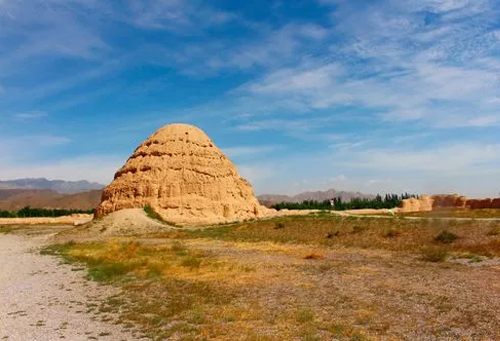 Yinchuan
- Travel Guide: attractions, weather, hotels, food, etc.
- Weather: best time and seasons to visit Ningxia
- Top attractions: well-selected top attractions in Ningxia
- Travel itineraries: itineraries for your reference
- Local culture: brief history, folk culture, festivals, etc.
- Top destinations: best places to visit in Ningxia
- Abundant activities: Ningxia cultural immersions
- Unique perspective: top interesting things to do
- Local food: what to eat while traveling in Ningxia
- Luxury hotels: accommodation to stay in Ningxia
- Ningxia Tours: customized tours for your reference

GREAT FAMILY CHINA TOUR
JULY 2024 We wanted to thank Grace at China Culture tour for organizing a great tour of China. We enjoyed our Beijing - Xian-Chengdu -Guilin -Yangshuo - Shanghai trip. Our local guides Bruce in Beijing, Susan in Xian, Jane in Chengdu, Mike in Guilin and Mary in Shanghai took care of us…read more details »
Teng Han L from SINGAPORE
Ready to Create a Unique Dream Travel?