

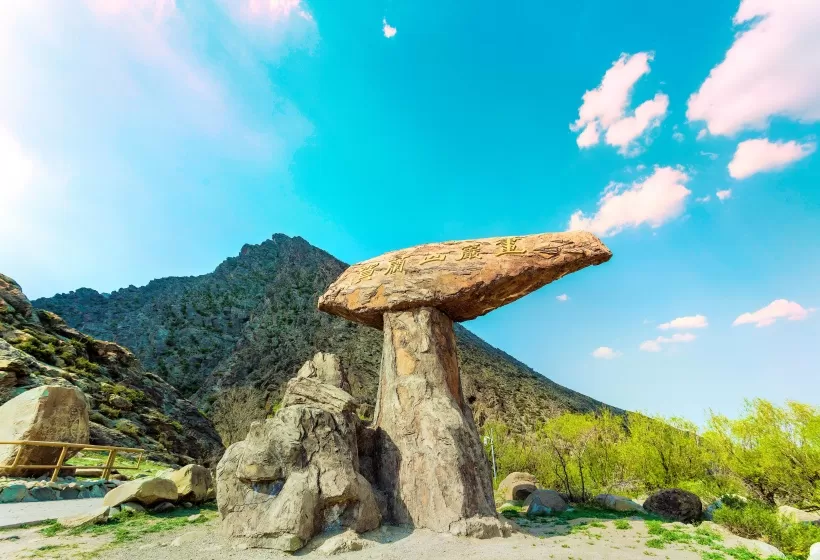
Top Famous Tourist Attractions Must-Visit in Ningxia
When people hear the name Ningxia, they may not immediately recognize it. But mention the mysterious Western Xia Dynasty, and this once powerful kingdom may suddenly come to mind. Ningxia is a hidden gem in northwestern China, rich in history and blessed with diverse tourism resources. Bordering Inner Mongolia and Shaanxi, the region is known for its remarkable combination of desert, the Yellow River, mountains, and oasis landscapes. Today, Ningxia is home to 142 A level tourist attractions, showcasing both breathtaking natural beauty and rich cultural heritage.
From the desert scenery of Shapotou Scenic Area and Shahu Lake to the majestic Helan Mountains and Liupan Mountains, Ningxia offers diverse natural landscapes. The region is equally rich in cultural heritage, with highlights including Western Xia Imperial Tombs, Helan Mountain Rock Art Site Park, Zhenbeibu Western Film Studio, and Xumishan Grottoes, reflecting the unique history and cultural charm of the region.
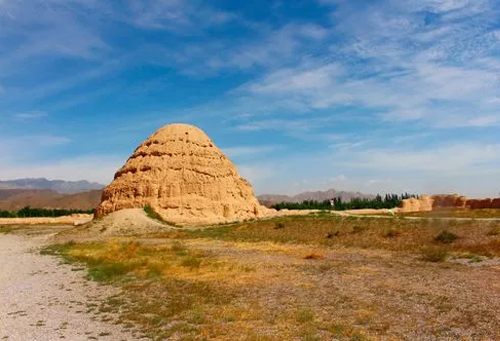
Top 1: Western Xia Tombs / Yingchuan
The Western Xia Tombs, also known as the Western Xia Imperial Tombs, is a mausoleum complex located in the Ningxia Hui Autonomous Region. It was the burial site of the imperial family of the Western Xia dynasty, which ruled the region from the 11th to the 13th century.
The complex consists of nine imperial tombs, 253 smaller tombs, and a number of other structures, covering an area of approximately 50 square kilometers. The tombs are known for their unique architectural style, which blends elements of Han, Tibetan, and Uighur culture.
The largest and most impressive tomb is that of Emperor Liangzhuang, which covers an area of 100,000 square meters and features a number of impressive stone sculptures and carvings. Other notable tombs include those of Emperor Renzong and Emperor Xianzong.
The Western Xia Tombs are not only an important historical and cultural site but also a beautiful natural landscape, surrounded by the Helan Mountains and the Yellow River. It has been designated as a national-level cultural heritage site and attracts numerous visitors every year who come to admire its stunning architecture and learn about the history of the Western Xia dynasty.
- Address: East Range of the Helan Mountain, Yinchuan City
- Open Hours: 8:30-19:00
- Tour Length: 1-2 hours
Top 2: Helan Mountains / Yingchuan
The Helan Mountains are a mountain range located in the western part of the Ningxia Hui Autonomous Region. The range runs approximately 200 km from north to south and 30-50 km from east to west, with an average elevation of around 2,000 meters. The mountains are known for their stunning natural scenery, unique geological formations, and rich cultural heritage.
The Helan Mountains are an important ecological barrier in northwestern China, separating the arid and semiarid regions to the west from the more humid areas to the east. The mountains are also home to a variety of flora and fauna, including rare and endangered species such as the snow leopard, lynx, and golden eagle.
The Helan Mountains are also a popular tourist destination, offering visitors a range of activities and attractions. Outdoor enthusiasts can enjoy hiking, camping, and rock climbing, while cultural enthusiasts can explore ancient sites such as the Helan Mountain Rock Paintings, which date back over 6,000 years. The Helan Mountain Wine Culture Tourism Area is another popular attraction, where visitors can learn about the region's winemaking traditions and taste local wines.
- Address: East Range of the Helan Mountain, Yinchuan City
- Open Hours: 8:30-19:00
- Tour Length: 1-2 hours
Top 3: Rock Paintings of Helan Mountain / Yingchuan
The Rock Paintings of Helan Mountain are a collection of ancient rock paintings found on the cliffs and rocks in the Helan Mountain range, which is located in northern China near the border of Inner Mongolia. The paintings date back to the Neolithic period and are estimated to be between 3,000 and 10,000 years old.
The paintings depict various scenes from everyday life, including hunting, fishing, dancing, and religious rituals. They also feature images of animals such as deer, horses, and camels. Some of the paintings are believed to have been used for astronomical purposes, as they depict the sun, moon, and stars.
The Rock Paintings of Helan Mountain are significant not only for their historical and cultural value but also for their scientific importance. They provide valuable insights into the lives and beliefs of ancient cultures, and they also offer clues about the natural environment and climate of the region during the time they were created.
Today, the rock paintings are protected as a cultural heritage site and are open to the public for viewing and study. They remain an important and fascinating glimpse into the distant past of China's rich cultural history.
- Address: East Range of the Helan Mountain, Yinchuan City
- Open Hours: 8:30-17:30
- Tour Length: 1-2 hours
Top 4: Ningxia Hui Autonomous Region Museum / Yingchuan
The Ningxia Hui Autonomous Region Museum is a museum located in the city of Yinchuan in the Ningxia Hui Autonomous Region of China. It was established in 1959 and is one of the largest museums in Northwest China.
The museum's collection includes over 10,000 cultural relics, with a focus on the history and culture of the Hui ethnic group and the Silk Road. Exhibits include ancient pottery, jade, bronzes, and Buddhist artifacts, as well as more recent cultural artifacts such as traditional Hui clothing and musical instruments.
One of the museum's most famous exhibits is a set of Tang Dynasty murals that were discovered in a nearby tomb. These murals depict scenes from everyday life, such as farming and hunting, as well as religious scenes featuring Buddhist deities.
The museum also features a number of temporary exhibits throughout the year, showcasing different aspects of Chinese history and culture.
Visitors to the Ningxia Hui Autonomous Region Museum can learn about the history and culture of the region and gain a greater understanding of China's diverse ethnic groups and its important role in the development of the Silk Road.
- Address: People's Square East Street, Jinfeng District, Yinchuan City
- Open Hours: 9:00 - 17:00 (Closed on Monday)
- Tour Length: 1-2 hours
Top 5: Shapotou Scenic Area / Zhongwei city
Shapotou Scenic Area is a popular tourist destination located in Zhongwei City, Ningxia Hui Autonomous Region. It is situated on the edge of the Tengger Desert, one of the four largest deserts in China, and is known for its beautiful sand dunes and stunning scenery.
The main attraction of Shapotou Scenic Area is the desert landscape, including the Mingsha Sand Dunes (also known as the "Singing Sand Dunes"), which are known for their unique sound when the wind blows over them. Visitors can enjoy a variety of activities in the sand dunes, such as camel riding, sandboarding, and taking a desert safari.
In addition to the sand dunes, Shapotou Scenic Area also features a number of other attractions, including the Yellow River Stone Forest, the Shapotou Botanical Garden, and the Shapotou Water Control Project. The Yellow River Stone Forest is a natural rock formation that has been shaped by the wind and water over millions of years, while the Shapotou Botanical Garden is home to a wide variety of plant species that are adapted to the harsh desert environment. The Shapotou Water Control Project is an important hydro-engineering project that has been designed to prevent the Yellow River from flooding the surrounding areas.
- Address: Yingshuiqiao Town, Shapotou District, Zhongwei City, Ningxia Hui Autonomous Region
- Open Hours: 8:00-18:00
- Tour Length: 2-3 hours
Top 6: Tengger Desert / Zhongwei city
The Tengger Desert, also known as the Tengger Desert Zone, is a large desert area located in the western part of Inner Mongolia Autonomous Region and the southern part of the Ningxia Hui Autonomous Region. The desert covers an area of around 43,000 square kilometers and is the fourth largest desert in China.
The Tengger Desert is characterized by its vast sand dunes, which can reach up to 200 meters in height. The desert is also known for its unique geological formations, such as the Yadan landform, which consists of natural sculptures and rock formations created by the wind and sand over millions of years.
Despite its harsh environment, the Tengger Desert is home to a variety of wildlife, including wild camels, foxes, and rodents. The desert is also an important location for scientific research on desert ecology and environmental protection.
The Tengger Desert is a popular tourist destination, offering visitors a range of activities and attractions. Adventure enthusiasts can enjoy camel riding, sandboarding, and off-road vehicle tours, while cultural enthusiasts can visit the nearby city of Zhongwei to explore ancient sites such as the Shapotou Scenic Area, which is home to the famous "singing sand dunes." The Tengger Desert is also a popular location for stargazing, as it offers clear night skies free from light pollution.
- Address: Ningxia Tengger Desert
- Open Hours: 8:00-18:00
- Tour Length: 3-4 hours
Top 7: Xumishan Grottoes / Guyuan City
The Xumishan Grottoes, also known as the Northern Xumishan Grottoes, are a series of ancient Buddhist cave temples located in Ningxia Hui Autonomous Region of China. The grottoes were built during the Western Xia dynasty (1038-1227) and feature more than 130 caves with over 10,000 Buddhist statues and murals.
The grottoes are carved into a sandstone cliff on the northern side of Mount Xumi, which is part of the Helan Mountains. The caves range in size from small niches to large halls and are adorned with elaborate carvings and murals depicting scenes from Buddhist sutras and local legends.
The most famous cave is Cave No.3, also known as the "Pure Land Cave," which features a large statue of Amitabha Buddha surrounded by smaller statues of bodhisattvas and other Buddhist figures. Other notable caves include Cave No.4, which features a 20-meter-long reclining Buddha statue, and Cave No.12, which has a rare circular design with a domed ceiling.
The Xumishan Grottoes are not only an important historical and cultural site but also a natural scenic spot. The surrounding area is dotted with springs, waterfalls, and lush vegetation, making it a popular destination for hiking and outdoor activities.
The Xumishan Grottoes have been designated as a national-level cultural heritage site and attract numerous visitors every year who come to admire the stunning artwork and learn about the history of Buddhism in China.
- Address: Xumishan Visitor Center, Huangduobao Town, Yuanzhou District, Guyuan City, Ningxia Hui Autonomous Region
- Open Hours: 09:00–18:00
- Tour Length: 1-2 hours
Top 8: Qingtongxia Reservoir / Wuzhong City
The Qingtongxia Reservoir is a large artificial lake located on the Yellow River in Ningxia Hui Autonomous Region of China. It was created in the 1950s as part of a water conservation and hydropower project and is now a popular destination for tourism and recreation.
The reservoir covers an area of approximately 100 square kilometers and has a storage capacity of 2.6 billion cubic meters of water. It is surrounded by rolling hills and mountains and features a picturesque landscape with clear blue water and lush vegetation.
The Qingtongxia Reservoir is not only a scenic spot but also an important source of water and electricity for the local region. It supplies water for irrigation and drinking and also generates hydropower to support the local economy.
Visitors can enjoy a range of activities at the reservoir, including boating, fishing, hiking, and camping. There are also several scenic spots around the reservoir, such as the Qingtongxia Dam, which offers a stunning view of the reservoir and the surrounding mountains.
The Qingtongxia Reservoir has become a popular destination for tourists seeking to experience the natural beauty and recreational opportunities that Ningxia has to offer.
- Address: Qingtongxia Town, Qingtongxia City, Wuzhong City, Ningxia
- Open Hours: 8:00–18:30
- Tour Length: 1-2 hours
Top 9: Nanguan Mosque / Yinchuan
Nanguan Mosque, also known as the South Mosque, is a historic mosque located in Yinchuan, Ningxia Hui Autonomous Region, China. It is one of the oldest and largest mosques in China, with a history dating back to the Ming Dynasty (1368-1644).
The mosque was first built in 1379 during the early Ming Dynasty and has undergone several renovations and expansions over the centuries. The current mosque complex covers an area of over 11,000 square meters and consists of several buildings, including the main prayer hall, the minaret, and the Imam's residence.
The main prayer hall is a spacious, multi-domed structure with intricate decoration and calligraphy, reflecting the mosque's unique blend of Islamic and Chinese architectural styles. The minaret, located outside the main hall, is a tall, slender tower with a pointed top and traditional Islamic-style ornamentation.
Nanguan Mosque is an important religious and cultural site for Muslims in China and attracts many visitors each year. Non-Muslim visitors are welcome to visit the mosque, but it is important to be respectful of the mosque's customs and traditions, such as removing shoes before entering the prayer hall and dressing modestly.
- Address: No. 288, Yuhuangge South Street, Xingqing District, Yinchuan City
- Open Hours: 8:00–17:00
- Tour Length: 1-1.5 hours
Top 10: Haibao Pagoda / Yinchuan
Haibao Pagoda, also known as the Sea Waves Pagoda, is a famous Buddhist pagoda located in the city of Ningxia in the Ningxia Hui Autonomous Region of China. The pagoda stands on the banks of the Yellow River and is considered one of the most important cultural and historical sites in the region.
Haibao Pagoda was originally built during the Tang Dynasty (618-907 AD) and has undergone several renovations and expansions throughout its history. The pagoda is made of brick and wood and stands at a height of around 45 meters. It has thirteen stories, each with a unique design and architectural style.
The pagoda is famous for its location on the banks of the Yellow River, which gives it a stunning view of the river and the surrounding landscape. It is also known for its Buddhist relics and artifacts, including statues of the Buddha and other important figures in Buddhist history.
Visitors to Haibao Pagoda can climb to the top of the pagoda to enjoy the panoramic view of the river and the city of Ningxia. The pagoda is also a popular location for Buddhist pilgrims and tourists interested in the history and culture of China.
- Address: Northwest side of the North Pagoda Lake, Minzu North Street, Xingqing District, Yinchuan City, Ningxia Hui Autonomous Region
- Open Hours: 9:00–17:00
- Tour Length: 1-1.5 hours
Top 11: Huoshizhai National Geopark / Guyuan City
Huoshizhai National Geopark is often referred to as “China’s Colorado” for its spectacular red Danxia landforms and dramatic mountain scenery. Located in Xiji County, the scenic area stretches about 17 kilometers from north to south and 10 kilometers from east to west, with elevations ranging from 1,960 to 2,650 meters. Its rugged peaks glow in deep red hues, resembling blazing flames, which is how Huoshizhai, meaning “Fire Stone Village,” got its name. The area is a paradise for hiking and photography, offering striking scenery throughout the year. Spring brings colorful wildflowers, summer showcases vivid mountain landscapes, autumn covers the hills with red leaves under cool weather, and winter creates a stunning contrast between white snow and crimson cliffs.
Known for its “Four Wonders” of strange mountains, unique rocks, steep peaks, and lush forests, Huoshizhai features attractions such as Yuntai Mountain, Shisishan, the towering Qingtianzhu Peak, a 268-meter glass suspension bridge, and the ancient Chanfosi Grottoes, which contain grotto relics dating from the Northern Wei Dynasty to the Qing Dynasty. The largest grotto, the Great Buddha Hall on Yuntai Mountain, houses a rare 5-meter-tall clay statue of Sakyamuni Buddha. Visitors can also enjoy exciting activities such as ziplining and walking across the thrilling glass bridge while admiring the breathtaking landscape.
- Address: 15 kilometers north of Xiji County, Guyuan City, Ningxia Hui Autonomous Region
- Open Hours: 8:00–18:00
- Tour Length: 2-4 hours
Top 12: Sand Lake / Shizui City
Located in Shizuishan City, about 56 kilometers from Yinchuan, Shahu Lake (Sand Lake) is a rare landscape where desert and water exist side by side. With a lake area of 45 square kilometers and surrounding dunes covering 22.5 square kilometers, it combines the grandeur of the northern desert with the elegance of a southern water town, earning its place as a shining landmark along the ancient Silk Road.
Visitors can take small boats through reed filled channels to watch birds at play, enjoy blooming lotus flowers in summer, or head into the desert area for sand sliding and camel riding on fine golden sands.
Shahu Lake offers different experiences throughout the year. April to May is ideal for birdwatching, July to August for lotus viewing and water activities, September to October for reed landscapes and desert adventures, and from December to February, the area transforms into a winter wonderland with ice and snow festivals and seasonal ice activities.
- Address: No. 1, Shahu Avenue, Pingluo County, Shizuishan City, Ningxia Hui Autonomous Region
- Open Hours: 9:00-17:00
- Tour Length: 1-3 hours
Top13: Chateau Changyu Moser XV / Yinchuan
The eastern foothills of the Helan Mountains are known for their excellent soil permeability, rich organic content, abundant sunshine, and ideal climate for cultivating premium wine grapes. These unique natural conditions have helped Ningxia become one of China’s finest wine producing regions, home to many high-end wineries and vineyards. Among them, Chateau Changyu Moser XV is the most famous, combining grape cultivation, wine production, and tourism into a world class wine estate experience.
The winery is renowned for its elegant Bavarian style castle architecture, featuring striking blue roofs and white walls. The main building covers around 13,000 square meters across four levels, including three above ground floors and one underground level. The first floor includes the reception hall, wine bottling production line, cinema hall, and DIY wine making area. The second floor houses a wine museum, while the third floor features multifunctional spaces such as a wine academy, OIV classroom, and conference rooms. The underground level contains the atmospheric wine cellar and exclusive VIP tasting rooms, where visitors can experience the charm of Ningxia’s premium wines.
- Address: No. 359, Liupanshan Road, Xixia Economic and Technological Development Zone, Yinchuan City, Ningxia Hui Autonomous Region
- Open Hours: 08:30 – 17:30
- Tour Length: 1-2 hours
Top 14: Shuidong Cave / Yingchuan
Shuidonggou is the earliest discovered Paleolithic site in China, with human activity dating back more than 40,000 years. Often regarded as the birthplace of China’s prehistoric archaeology, it also stands as an important witness to early cultural exchanges between East and West. Today, the site is protected as a National Key Cultural Relic Site and a National Geopark.
In addition to its archaeological value, Shuidonggou features the intriguing Hidden Troops Cave, an ancient military defense system with concealed passages and ingenious structures. Visitors can also enjoy lively equestrian performances and the large-scale outdoor show Beijiang Sky Song, which brings the history of the northern frontier to life.
Exploring the site is made enjoyable by a wide range of transportation options, including electric shuttles, horse and camel rides, traditional carriages, ziplining, and shuttle buses, adding an element of fun and variety to the visit.
- Address: Linhe Town, Lingwu City, Yinchuan City
- Open Hours: 09:00-17:30
- Tour Length: 1-3 hours
Top 15: China Western Film Studios / Yingchuan
Originally built as a Ming Dynasty frontier fortress and military camp, this site has been transformed into a film and television city and is now one of the leading outdoor filming locations in western China for historical and western themed productions. Among China’s many film studios, it stands out for its raw and unpolished atmosphere. The architecture is simple and rugged, with a strong sense of desolation and folk character, vividly reflecting the spirit of northwestern China.
More than sixty well known films and television series have been shot here, including A Chinese Odyssey, New Dragon Gate Inn, and Warriors of Heaven and Earth.
The film city features Ming City, Qing City, and Old Yinchuan Street. Ming City features a raw, desolate setting with classic filming locations from Red Sorghum and A Chinese Odyssey. Qing City recreates a northern town of the Qing Dynasty, blending traditional architecture with Tibetan influences. Old Yinchuan Street, built in 2012 and inspired by Republican era Liushu Alley, restores historic merchant houses and presents the story of Yinchuan’s urban past.
- Address: Zhenbaeibao Town, Xixia Town, Yinchuan City
- Open Hours: 09:00-17:00
- Tour Length: 1-2 hours
Top 16: Silk Road Heritage in Ningxia
Located along the northern route of the eastern section of the ancient Silk Road, Ningxia once served as an important gateway and trading post connecting the East and the West. The ancient Silk Road routes that crossed Ningxia acted like a golden bridge, linking different civilizations, cultures, and peoples across Eurasia.
Among these routes, the Xiaoguan Road stretched for more than 190 kilometers across Ningxia and was known for its relatively flat terrain and convenient passage. During the Tang and Song dynasties, the Silk Road network in Ningxia centered around Lingzhou, forming two major routes connecting Chang’an with the Western Regions. Travelers could journey westward across the Yellow River through Zhongwei toward Wuwei in Gansu, or pass through Yinchuan, cross the Helan Mountains, and continue into the Hexi Corridor.
National treasures unearthed in Ningxia, including gilt silver pots, glass bowls decorated with raised studs, and stone carvings depicting the famous Hu Xuan dance, provide vivid evidence of the cultural exchanges and ethnic interactions that once flourished along the ancient Silk Road. Walking through Ningxia today, visitors can still experience the profound historical heritage and unique multicultural charm shaped by centuries of East-West exchange.
- Address: Wating Village, Dawang Township, Jingyuan County, Guyuan City, Ningxia
- Open Hours: 08:00–18:00
- Tour Length: 1-2 hours
Customize Your Unique Ningxia Tour

If you are interested in the Ningxia itineraries mentioned above, please contact us, and we will be happy to customize it and provide a quote tailored to your preferences.
Alternatively, if you would like to customize your Ningxia Tour, please visit our Ningxia Tour Customized Center. We assure you that you will receive a reply within 24 working hours.
Informative Articles for Your Ningxia Trip
 Yinchuan
- Travel Guide: attractions, weather, hotels, food, etc.
- Weather: best time and seasons to visit Ningxia
- Top attractions: well-selected top attractions in Ningxia
- Travel itineraries: itineraries for your reference
- Local culture: brief history, folk culture, festivals, etc.
- Top destinations: best places to visit in Ningxia
- Abundant activities: Ningxia cultural immersions
- Unique perspective: top interesting things to do
- Local food: what to eat while traveling in Ningxia
- Luxury hotels: accommodation to stay in Ningxia
- Ningxia Tours: customized tours for your reference

GREAT FAMILY CHINA TOUR
JULY 2024 We wanted to thank Grace at China Culture tour for organizing a great tour of China. We enjoyed our Beijing - Xian-Chengdu -Guilin -Yangshuo - Shanghai trip. Our local guides Bruce in Beijing, Susan in Xian, Jane in Chengdu, Mike in Guilin and Mary in Shanghai took care of us…read more details »
Teng Han L from SINGAPORE
Ready to Create a Unique Dream Travel?